
History of Panchetgarh
Royal Legacy • Faith • GovernanceIn 1679, a major portion of the Pataspur Pargana came under the control of Choudhury Murari Mohan Dasmohapatra through a special territorial endowment granted by Mughal Emperor Aurangzeb.
Originally from Athgarh near Puri, he adopted the title of “Choudhury” and laid the foundation of administrative governance at Panchetgarh.
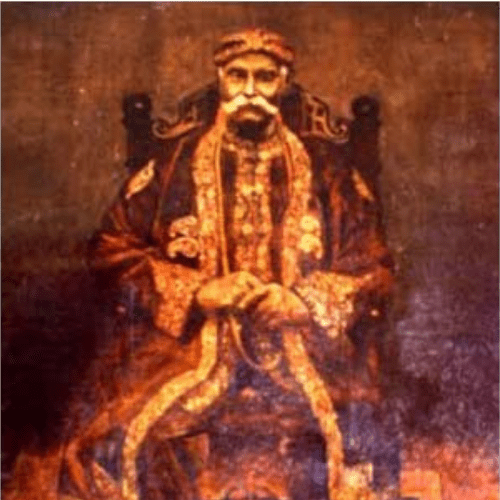

Folklore speaks of an ancient Shiva temple discovered in dense forests. The Dasmohapatra family restored it into the revered Pancha-Shiva Mandir.
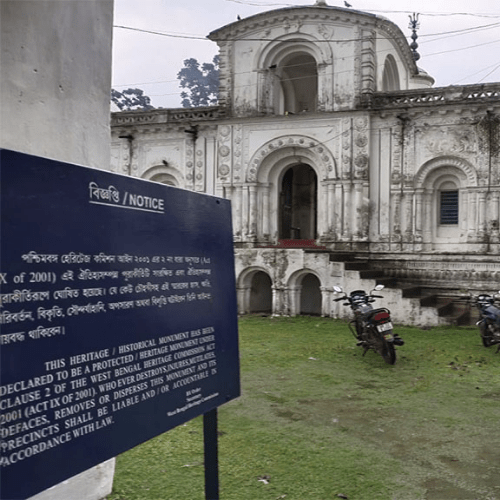
Around this sacred nucleus emerged the Garh-Haveli — the royal Rajbari and administrative heart of Panchetgarh.
Panchetgarh later came under the Nawabs of Murshidabad and the Maratha Holkars of Indore. Royal authority was restored under Queen Ahilyabai Holkar.
In 1803, British rule introduced the Zamindari system under colonial governance.
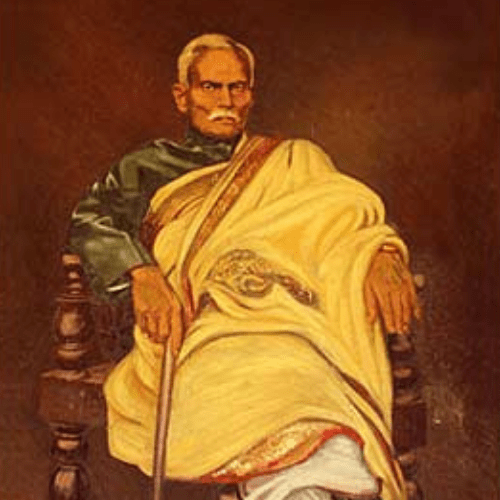
During British rule, additional zamindari territories were granted in Bhograi under the Bengal–Orissa Province administered from Calcutta.
Today, Panchetgarh Rajbari stands as a living heritage of devotion, governance, culture, and royal patronage.